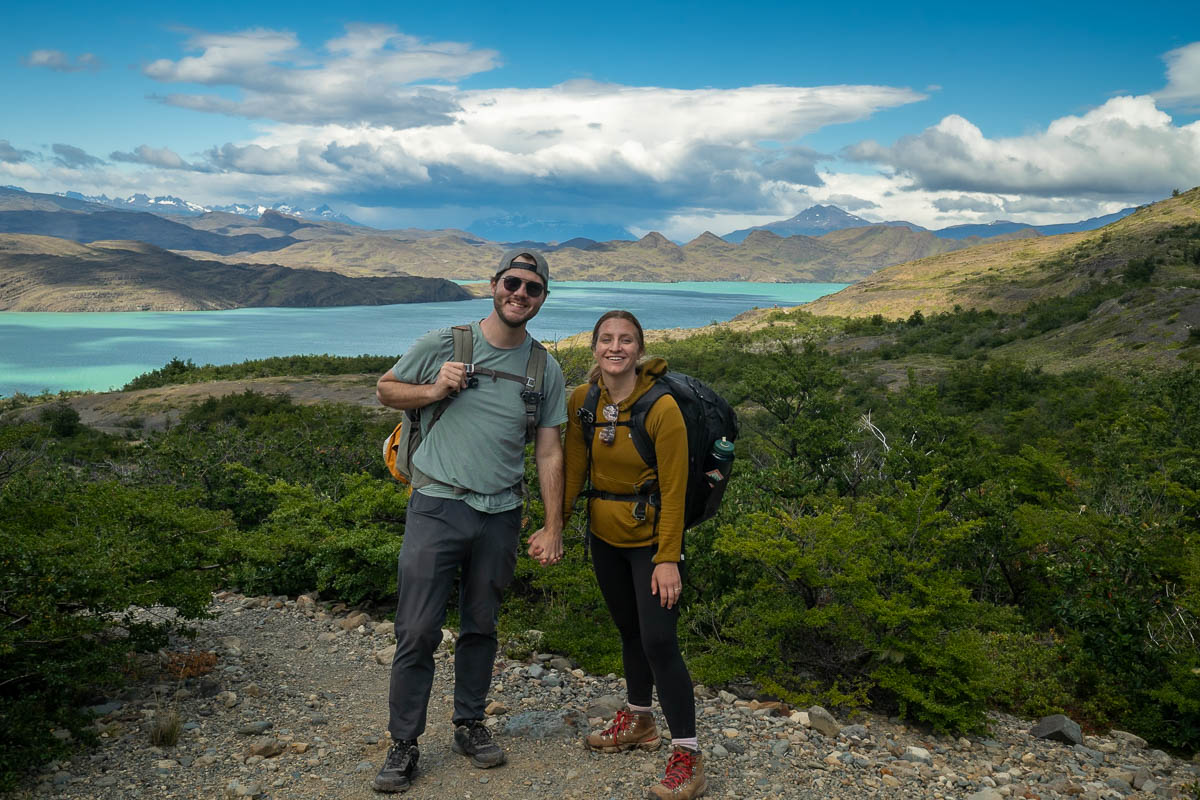
Patagonia dazzles travelers with its wind‑swept plains, towering peaks, and remote glaciers. Most visitors first notice the region’s stark beauty and assume it’s solely a playground for extreme hikers. Yet the allure runs deeper: a yearning for solitude, the chance to witness ecosystems largely untouched by mass tourism, and the unique cultural blend of Argentine and Chilean influences. Planning a Patagonia adventure on a budget while packing efficiently can turn that fascination into a realistic, rewarding experience.
1. Define Your Travel Window
The season dictates costs, crowd levels, and weather conditions. The shoulder months—October to early November and March to April—offer milder temperatures, fewer tourists, and lower prices on flights and lodging. While summer (December–February) provides the warmest days, it also raises the risk of overbooked hostels and inflated tour rates.
2. Set a Realistic Budget
Start by breaking down major expense categories: international airfare, internal flights or buses, accommodation, meals, park fees, and miscellaneous costs. A typical 10‑day trip can be managed between $1,300 and $2,200 per person if you opt for budget hostels, shared transport, and self‑catering meals. Allocate a contingency fund of 10 % for unexpected expenses such as gear repairs or weather‑related itinerary changes.
3. Book International Flights Early
Major entry points are Buenos Aires (EZE) for Argentina and Santiago (SCL) for Chile. Use flexible date search tools and consider alternative hubs like São Paulo (GRU) or Lima (LIM) where low‑cost carriers sometimes offer cheaper connections. Booking 4–6 months ahead typically yields the best fare, especially during the Southern Hemisphere summer.
4. Choose Cost‑Effective Internal Transport
Long‑distance buses dominate the overland network and are far cheaper than domestic flights. Companies such as Andesmar (Argentina) and Turbus (Chile) provide reliable service between key towns like El Calafate, Puerto Natales, and Bariloche. For time‑sensitive legs, consider low‑cost airlines like JetSMART or Sky Airline, which often run promotions between major cities.
5. Prioritize Accommodation Types
Hostels, camping sites, and “casa particulares” (private homes) provide the best value. In Argentina, “hosterías” in smaller towns offer modest private rooms at $15‑$30 per night. Chile’s “refugios” within national parks allow you to camp without carrying a full tent setup, saving both space and weight.
6. Factor in Park Entry Fees and Permits
National parks such as Los Glaciares (Argentina) and Torres del Paine (Chile) charge entrance fees ranging from $10 to $30. Some trekking routes, particularly multi‑day treks, require permits that must be booked months in advance. Include these fees in your budget and schedule to avoid last‑minute surprises.
7. Create a Flexible Itinerary
While iconic spots like Perito Moreno Glacier and the Grey Glacier draw most visitors, allocating “free days” lets you discover lesser‑known gems such as the Lago Argentino inlet or the remote Cerro Castor area. Flexibility also mitigates the impact of Patagonia’s notorious weather, which can delay transportation or close trailheads unexpectedly.
8. Pack Light, Layered Clothing
The key to a compact pack is a layering system: a moisture‑wicking base layer, an insulating mid‑layer (fleece or down), and a waterproof, breathable outer shell. Temperatures can swing from 50 °F (10 °C) in the daytime to sub‑freezing at night, even in summer. Pack at least two quick‑dry shirts, one pair of waterproof pants, and a hat with a brim.
9. Bring Multi‑Purpose Gear
A 30‑liter backpack equipped with a rain cover suffices for most itineraries. Include a compact sleeping bag rated to 20 °F (‑7 °C) because many refugios provide communal sleeping mats only. A lightweight titanium stove, a reusable water bottle, and a set of nesting cookware (spoon, spatula, and small pot) replace the need for bulky equipment.
10. Manage Electronics Efficiently
A universal power adapter, a portable solar charger, and a power bank (10,000 mAh minimum) keep devices running on the road. For navigation, offline maps of the region (available through apps such as Maps.me) are essential, as cellular coverage can be sporadic in remote areas.
11. Plan Food Costs Strategically
Self‑catering saves up to 60 % compared to restaurant meals. Stock up on staples like pasta, rice, canned beans, and dehydrated fruits at supermarkets in larger towns before heading deeper into the wilderness. When dining out, opt for “menu del día” offerings which provide a balanced meal at a fixed price.
12. Account for Currency and Payments
Both Argentina and Chile use local currencies (ARS and CLP). Exchange a modest amount before arrival to cover immediate expenses, then use ATMs in major towns for the rest. Credit cards are widely accepted in cities but less so in remote lodges, so keep cash on hand for entrance fees and small purchases.
13. Prepare for Health and Safety
Travel insurance that covers emergency evacuation is non‑negotiable in Patagonia’s isolated terrain. Pack a basic first‑aid kit—including blister treatment, antihistamines, and antiseptic wipes—as pharmacies can be far away. Stay hydrated, as the dry wind can cause rapid dehydration.
14. Respect Environmental Guidelines
The region’s fragile ecosystems demand responsible travel. Stick to marked trails, pack out all waste, and use designated campfire areas (or abstain from fires altogether). Many parks require you to register your campsite, which helps authorities monitor visitor impact.
15. Learn Basic Local Phrases
Spanish is the dominant language, and a few courteous phrases—“por favor,” “gracias,” and “¿Dónde está…?”—go a long way in fostering goodwill with hosts and locals. In border areas where Mapudungun is spoken, a simple greeting acknowledges cultural respect.
16. Use Travel Apps for Real‑Time Updates
Apps like “Patagonia Weather” provide hyper‑local forecasts, while “Rome2rio” helps compare transport options on the fly. Offline document storage (e.g., Google Drive or Dropbox) ensures copies of tickets, permits, and insurance policies are accessible even without internet.
17. Schedule Time for Rest Days
Long travel distances and demanding hikes can be physically taxing. Build in at least one rest day midway through your trip to recover, adjust to altitude variations, and enjoy low‑impact activities such as photography or birdwatching.
18. Document Your Journey Thoughtfully
Patagonia’s stark vistas invite reflection. Keep a travel journal or a digital log to capture observations about the unique flora, weather patterns, and interactions with fellow travelers. This practice enhances appreciation of why the region continues to captivate explorers worldwide.