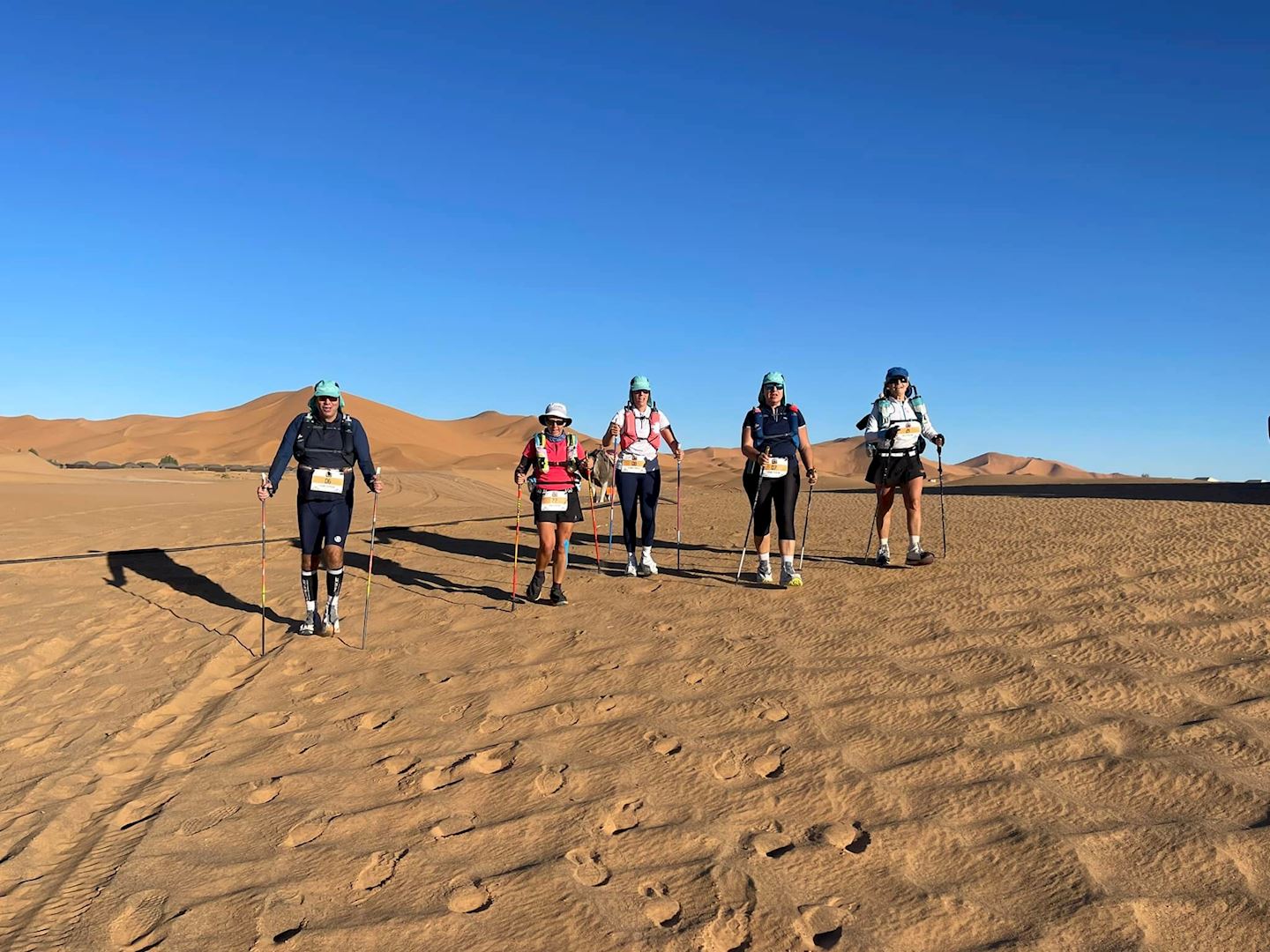
Training for a marathon in the Moroccan desert demands more than mileage; it requires adaptation to an environment where the sun blazes like a furnace and the sand shifts like an endless sea. The following guidelines map out a step‑by‑step program that turns the harsh, beautiful landscape into a training partner, ensuring you arrive at race day equipped to run both the distance and the dunes.
1. Acclimate to Heat Gradually
Begin with short, low‑intensity runs during the coolest hours—just after sunrise or before sunset. Increase duration by 10 % each week, allowing your cardiovascular system to adapt to the higher ambient temperature without overwhelming your thermoregulatory mechanisms.
2. Hydration as a Desert Oasis
In the Sahara‑like stretches of Morocco, dehydration can occur in minutes. Carry a minimum of 750 ml of water per hour of exercise, and supplement with electrolytes containing sodium, potassium, and magnesium to replace salts lost through sweat. Practice drinking at regular intervals to condition your gut to absorb fluids under stress.
3. Sand‑Specific Footwork Drills
The loose substrate alters stride mechanics. Incorporate barefoot or minimalist‑shoe drills on soft dunes to develop ankle stability and forefoot strength. Perform 5‑minute “sand runs” twice weekly, focusing on short, quick steps that mimic the rapid footfall of a desert hare.
4. Protect Against Sunburn
Apply broad‑spectrum SPF 50 sunscreen at least 30 minutes before each session. Reapply every two hours, or more often if you sweat heavily. Wearing a lightweight, UPF‑rated shirt and a wide‑brim hat creates a shield that lets you train without the sting of UV‑induced skin damage.
5. Nutrition Tailored to Arid Conditions
Consume easily digestible carbs with a modest amount of fat to sustain energy without taxing digestion. Dates, raisins, and honey provide quick sugars, while occasional nuts supply lasting fuel. Schedule a small snack every 45 minutes to keep blood glucose stable, mirroring the way desert nomads pace their sustenance.
6. Night Runs for Temperature Relief
Temperatures drop dramatically after dark, offering a natural climate control. Use a headlamp and reflective gear, and limit night runs to 8–10 km until you become accustomed to reduced visibility. This practice also prepares you for potential late‑day race start times.
7. Strength Training for Dune Resistance
Integrate lower‑body strength sessions twice a week, emphasizing quadriceps, glutes, and calves. Exercises such as Bulgarian split squats, weighted step‑ups onto sandbags, and single‑leg deadlifts build the muscular endurance needed to propel your body over shifting dunes, akin to a camel’s steady gait across dunes.
8. Simulate Race‑Day Elevation
Many Moroccan desert marathons incorporate undulating terrain. Include hill repeats on rocky outcrops or sandy inclines, running uphill for 2–3 minutes followed by an easy jog downhill. This trains the heart and leg muscles to manage the variable gradients typical of desert courses.
9. Monitor Core Temperature
Invest in a reliable wearable that tracks skin temperature and heart rate variability. When core temperature exceeds 38.5 °C (101.3 °F), cut the session short. Continuous monitoring acts like an internal compass, steering you away from the hidden hazards of heat exhaustion.
10. Mental Conditioning Amidst Silence
The desert’s vast quiet can amplify mental fatigue. Practice visualization techniques that picture you crossing iconic landmarks such as the dunes of Merzouga or the oasis of Agafay. Pair these mental rehearsals with rhythmic breathing to build focus, turning isolation into a mental reservoir of resilience.
11. Gradual Taper in the Heat
Begin tapering three weeks before the marathon, reducing mileage by 20 % each week while maintaining intensity. Keep training sessions early in the morning to preserve the heat adaptation gained throughout the program, ensuring you retain the physiological benefits without overtaxing the body.
12. Prepare for Post‑Race Recovery in Arid Climate
After crossing the finish line, replenish fluids with an electrolyte drink and consume a protein‑rich meal within 30 minutes. Use cold compresses on the legs to mitigate inflammation, and schedule a light active recovery walk on soft sand to aid circulation, much like a desert breeze that cools the dunes after a scorching day.