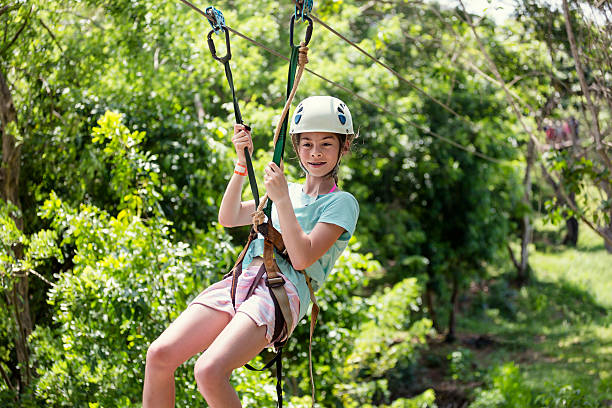
Gliding through Costa Rica’s emerald canopy with a toddler in tow is like guiding a curious sparrow through a living rainbow—each zipline a vibrant brushstroke across the sky. The country’s reputation for safety, biodiversity, and family-friendly adventure makes it an ideal backdrop for this unforgettable experience. Below is a step‑by‑step guide to ensure that both parent and child soar with confidence, comfort, and awe.
1. Choose a Family‑Certified Zipline Operator
Begin by selecting a company that explicitly lists toddler accommodation in its safety policy. Look for certifications from the Costa Rican Tourism Board (ICT) and reviews highlighting “child harnesses,” “low‑height platforms,” and “dedicated staff.” Operators such as Selva Verde and Arenal Canopy Adventure have proven records of welcoming children as young as two years old, providing a secure framework for the whole family.
2. Verify Age and Weight Requirements
Each zipline has specific limits. Confirm that your toddler meets the minimum age (typically 2‑3 years) and weight range (usually 30‑45 lb/14‑20 kg). Some parks permit younger children if they are securely strapped to an adult harness, but always double‑check the fine print to avoid unpleasant surprises on the day of the adventure.
3. Book a Private Family Session
Instead of joining a large group, reserve a private session. This allows the guide to tailor the pacing, provide extra attention, and adjust the line sequence to suit a toddler’s attention span. A focused environment also reduces wait times and minimizes exposure to sun and insects while the little one remains bright‑eyed and engaged.
4. Pack a Toddler‑Ready Gear Bag
Bring a compact backpack containing a lightweight rain jacket, sun hat, sunscreen (SPF 50+), reusable water bottle, and a small snack. A soft, breathable blanket can double as a seat pad on low‑height platforms, while a small first‑aid kit ensures minor scrapes are handled swiftly. Packing efficiently prevents the need for extra stops that could disrupt the zipline flow.
5. Arrive Early for Orientation
Most parks schedule a safety briefing 30 minutes before the first launch. Arriving early gives your toddler time to acclimate to the surroundings, hear the rustle of leaves, and observe other families. The guide will demonstrate harness fitting, explain hand‑hold techniques, and answer any parent concerns before the canopy adventure begins.
6. Practice Harness Safety Together
Before the first zip, have your child sit on the platform while the guide adjusts the harness. Walk through the “stop‑pull‑release” process, emphasizing the feel of the secure clasp and the gentle tug that signals the end of a ride. Repeating this routine builds trust and reduces anxiety, turning the harness into a familiar, comforting cocoon.
7. Start with Low‑Altitude Lines
Begin on a line that spans 100‑150 feet and drops only a few meters, giving your toddler a gentle introduction to the sensation of flight. The lower altitude softens the wind’s impact and allows the child to see the forest floor, helping them connect the experience to the vivid world below.
8. Use a Tandem Harness for Extra Security
Many operators offer a tandem setup where the adult’s harness is linked directly to the child’s. This configuration ensures the toddler moves in sync with the adult, eliminating the risk of independent swinging. The adult can gently guide the child’s legs and hands, reinforcing a sense of shared adventure.
9. Keep the Ride Rhythm Calm and Steady
Maintain a consistent speed and avoid sudden accelerations. Speak softly and point out recognizable landmarks—like a toucan perched on a branch or a distant waterfall—to keep the toddler’s focus anchored. A calm cadence mimics the steady beat of a drum, turning the flight into a soothing lullaby rather than a frantic sprint.
10. Provide a Post‑Zip Celebration
After each line, reward your child with a small treat such as a fruit slice or a sticker. Celebrate the achievement with high‑fives and enthusiastic praise. This positive reinforcement creates a memory loop, encouraging the toddler to look forward to the next glide with eager anticipation.
11. Stay Hydrated and Rest Between Lines
Temperatures in the rainforest can rise quickly. Pause at shaded rest areas to sip water and let your toddler stretch their legs. A brief pause also allows the tiny explorer to absorb the surrounding sounds—rainfall, birdcalls, insect choruses—deepening the sensory imprint of the adventure.
12. Capture the Moment, Respect the Landscape
Take a few photos from the platform before launching, focusing on candid smiles rather than posed shots. Use a harness‑compatible strap for your camera to avoid dangling equipment. Remember to keep all waste in designated bins, preserving the pristine environment that makes Costa Rica’s canopy a living masterpiece.