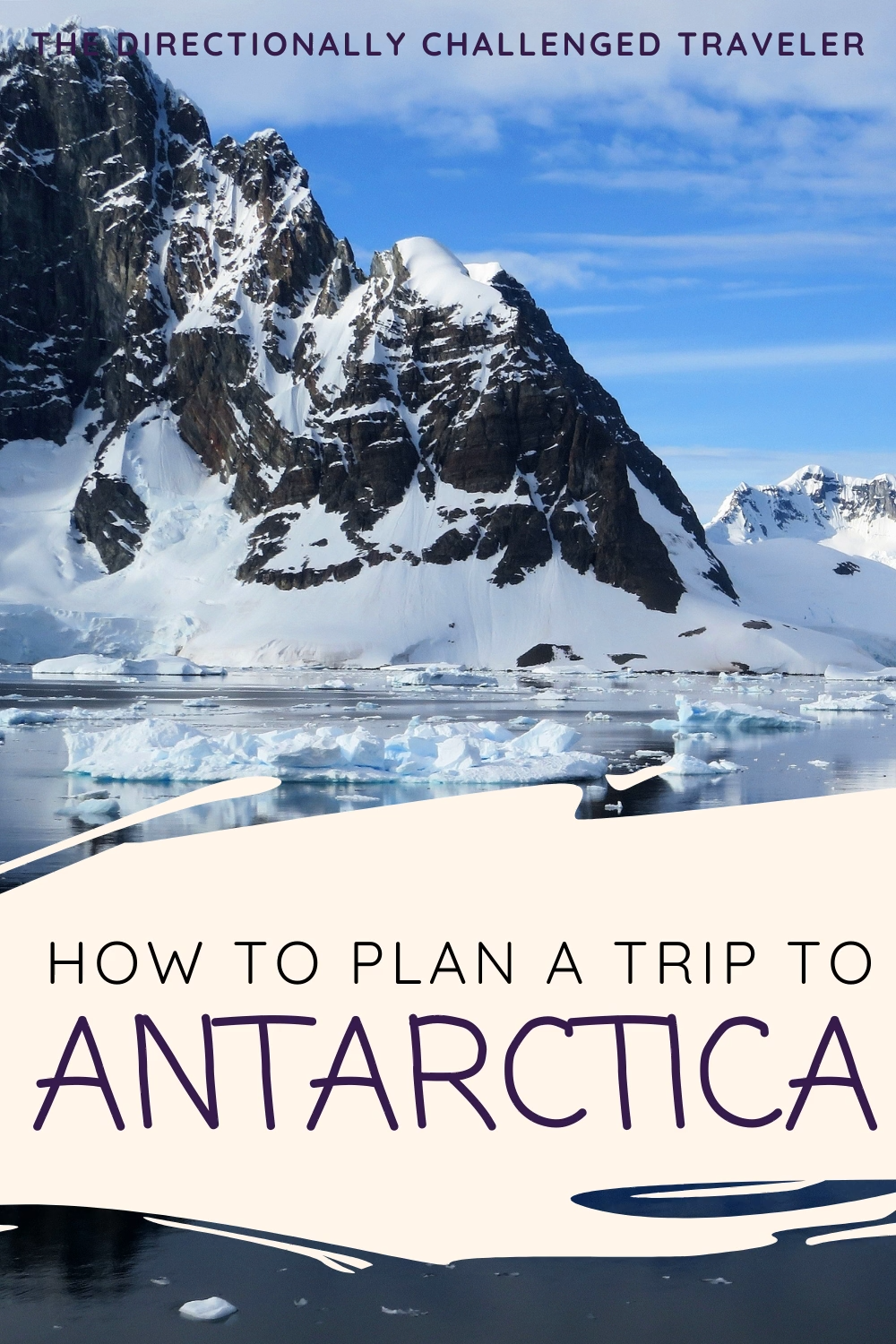
There’s an undeniable allure to Antarctica—an unyielding magnetism that pulls at the curious and the audacious alike. It’s a land of extremes, an ethereal expanse where surreal landscapes collide with stark isolation. Yet, what happens when artificial intelligence, that amalgam of cold logic and endless data, attempts to map out a journey into this frozen enigma? The results are as amusing as they are revealing, peeling back layers of our collective fascination with the planet’s final frontier.
The Allure of Antarctica: Why We Crave the Unreachable
Antarctica is more than just a remote continent covered in ice; it’s a symbol. A metaphor for the unknown edges of the world and, by extension, the human spirit. It’s a place where ordinary rules dissolve, replaced by an environment that tests survival, curiosity, and endurance. This fascination is not new. From early explorers chasing the last geographic mysteries to modern adventurers seeking solitude, Antarctica plays on our yearning for discovery and the sublime.
It’s a paradox: a place so inhospitable yet profoundly captivating. This magnetic pull hints at a deeper psychological craving—the desire to confront the void. The thought of standing on untouched ice sheets, surrounded by infinite silence, forces us to reckon with our insignificance. It’s no coincidence that attempts to digitally chart this experience, such as by AI, often miss the nuance but highlight the breathtaking extremes we idealize.

When AI Becomes the Tour Guide: An Ironic Misadventure
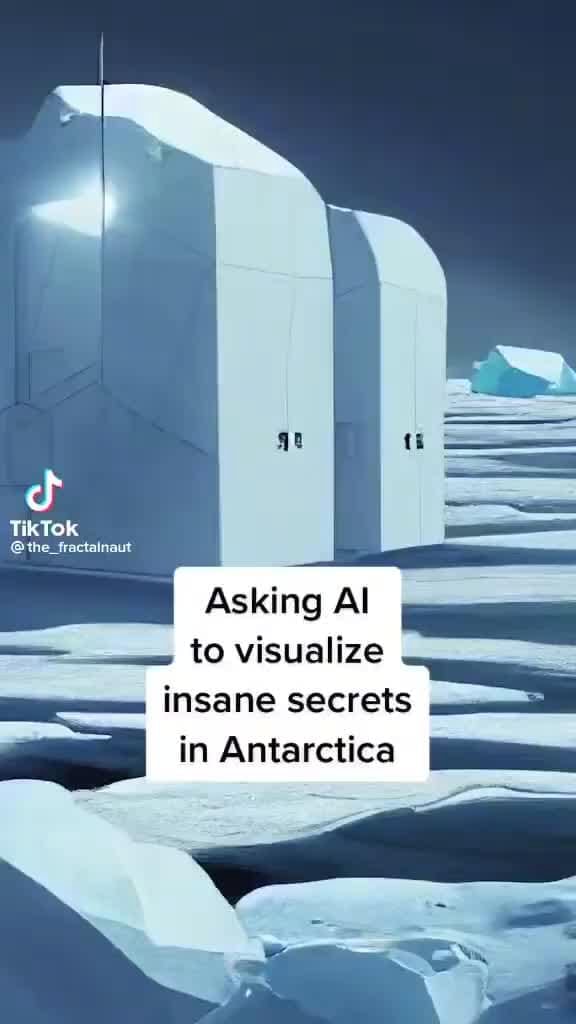
Handing over the reins of trip planning to an AI for an Antarctic journey feels like a daring experiment—how well can a synthesized intelligence fathom a place that eludes human understanding? The answer: hilariously imperfect. Instead of a precise itinerary, the AI conjured a surreal blend of activities, blending the practical with the bizarre in equal measure.
One might expect AI to produce a clinical schedule—flights, accommodations, essential gear lists. Instead, the suggestions were peppered with anachronisms and improbable adventures: penguin-led hiking tours, ice cave karaoke parties, and mysterious “aurora meditation” sessions at the poles. This whimsical chaos underlines a striking fact—no amount of algorithmic analysis can capture the raw unpredictability and mythos surrounding such an extreme destination.

The Human Element Lost in Digital Translation
The AI’s missteps underscore an essential truth: traveling to Antarctica is as much about mindset as it is about logistics. The meticulous packing lists and step-by-step routes are secondary to the emotional and existential preparation needed. The profound isolation, the sudden confrontations with nature’s raw forces—these defy templates and demand intuition and adaptability.
Machines, for all their computational power, fail to grasp this Sisyphean challenge. There’s a poetic absurdity in the AI’s attempts, as if it’s trying to emulate human wonder but ends up revealing its own mechanical limitations. These digital fumbles are a reminder that some aspects of journeying into the unknown remain profoundly human, resisting commodification or simplification.
Expecting Icebergs, Receiving Glitches: The Hilarious Pitfalls
More than anything, the AI’s beachhead map was a canvas of hilarious glitches. It recommended “polar bear encounters” on a continent without polar bears, suggesting an animal guide experience that was biological fiction. Then, there was the surreal suggestion to visit Antarctic “wine bars,” tucked beneath the ice—an evocative fantasy at odds with environmental protection and logistical reality.
These errors reveal the AI’s foundational weakness: an overreliance on datasets that blend fiction, popular culture, and real-world data without nuance. Antarctica, a domain of precise scientific research and fragile ecosystems, is conflated with fantastical tourism brochures. The humor lies in the discrepancy, yet it subtly criticizes our own romanticization of distant lands, often disconnected from their authentic nature.
Why the AI Trip Plan Resonates Beyond Its Errors
For all its absurdities, the AI’s Antarctic itinerary resonates because it taps into the subconscious myths we attach to the continent. It dramatizes the extremes, exaggerates the mystique, and injects whimsy—a reflection of how tourism and the imagination entwine. This digital performance mirrors how travelers often envision Antarctica not as a place, but as a dream-state of awe and challenge.
This highlights a shared human experience: the tension between control and chaos, expectation and reality. We seek to master the unknown through planning and technology, yet the intangible spirit of Antarctica always pushes back. The AI’s ‘failures’ inadvertently capture the quintessential nature of adventure—unexpected, uncontrollable, and deeply alluring.
Final Thoughts: Embracing the Unpredictable with a Smile
Ultimately, an AI-planned trip to Antarctica might be the perfect metaphor for our fraught relationship with technology and exploration. It reminds us that no algorithm can replace the messy, visceral experience of confronting a land that defies conventional travel. The humor embedded in the AI’s bizarre itinerary invites us to laugh at our attempts to box in the unknowable, while simultaneously appreciating the seductive power of the continent’s blank, white canvas.
Antarctica remains a siren call—not because it fits neatly into travel planners or artificial frameworks, but because it challenges us, dares us, and enthralls us with its inscrutable vastness. Perhaps the AI’s hilarious misadventure is exactly what we need: a reflection of our imperfect quests for meaning at the edges of the earth and within ourselves.