Travel has evolved into a kaleidoscope of possibilities—where the way you traverse a destination can be as transformative as the places you visit. At the heart of this evolution lies a compelling dichotomy: slow travel versus fast travel. Each promises distinct experiences, sensations, and revelations. But what happens when these two seemingly opposing travel philosophies are juxtaposed within the scope of time—a fleeting one week compared against an expansive one month? This side-by-side itinerary comparison explores how these travel paradigms unfold across different durations, inviting a profound shift in perspective on what it truly means to explore the world.
Defining Slow Travel and Fast Travel: The Philosophical Divide
Slow travel is the art of unhurried immersion. It beckons travelers to drift through the rhythms of local life, to savor conversations with locals, to meander through hidden alleys and to absorb nuances often lost to the hurried eye. It valorizes depth over breadth, presence over pace. Fast travel, conversely, embraces velocity and volume. It is the deliberate crunching of miles and ticking of checklists. The rapid-fire rhythm of ticking off iconic landmarks, often in different cities or countries, paints a mosaic of experiences rather than a watercolor of intense detail.
When placed against the clock of one week, fast travel seems almost logical—there’s little time to dawdle. However, stretched across a month, slow travel invites a profound engagement that challenges the very notion of tourism as transactional. The juxtaposition leads to revealing contrasts in what is observed, felt, and ultimately understood.
One Week Itineraries: Sprinting vs. Meandering
Within a seven-day window, a fast travel itinerary typically brakes for the essentials only: iconic monuments, landmark museums, panoramic viewpoints, and culinary hotspots. The agenda is a meticulously choreographed dance. Each day might begin with a sunrise visit to a historic site and end with a local festival or vibrant night market. There’s an intoxicating rush, a collection of snapshots both literal and metaphorical. The itinerary spells out every hour, every transfer, every meal to maximize exposure.
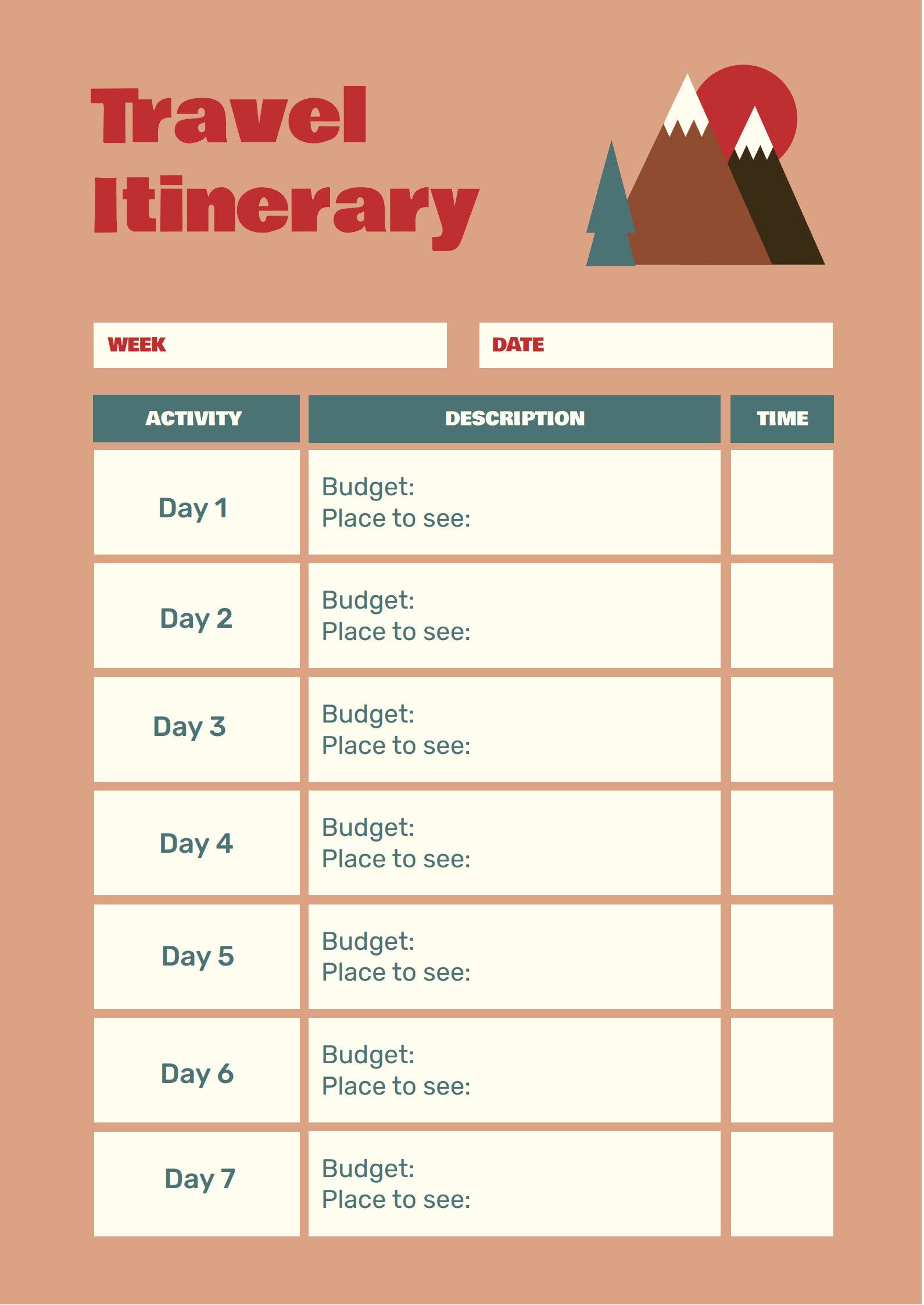
In contrast, a slow travel approach to the same seven days entails selecting a single locale or neighborhood. Instead of rushing, the traveler delves into everyday rituals: morning markets, leisurely breakfasts at neighborhood cafés, walking city streets without a GPS, or lingering at a park bench watching the world unfold. It feels less like a race and more a gentle unfolding. The itinerary is malleable, sometimes unscripted, embracing spontaneity and serendipity. The promise here is a richer texture of experience despite the shorter timespan.
One Month Itineraries: Depth as a Destination
When time extends to a month, the dynamic shifts dramatically. Fast travel harnesses the luxury of more stops, more countries—often a continental sweep with multiple air transfers and rail journeys. The whirlwind path can encompass everything from bustling capitals to serene countryside villages. The extensive itinerary’s ambition is both its strength and Achilles’ heel: capturing the world in its sweep yet sometimes skimming the surface of each experience.

Meanwhile, slow travel flourishes with a month’s canvas. It morphs from a fleeting dalliance into a cultural embrace. One might inhabit a small town for weeks, form connections, learn a craft, or participate in community events. Meals are more than nourishment—they become rituals of friendship and cultural exchange. The slower pace produces a profound sense of belonging rather than alienation. The landscape shifts from tourist facades to genuine lives and stories, enshrining memories far beyond surface-level enjoyment.
Emotional and Psychological Impacts
The velocity of fast travel can induce exhilaration but also exhaustion. Intense itineraries demand high energy, which can obscure meaningful connection. Emotional responses tend to be adrenaline-fueled bursts rather than contemplative reflections. Traveling fast often triggers a sense of accomplishment but may leave an intangible void, an elusive feeling of “Did I really experience this?”
Slow travel, in contrast, offers emotional resonance. Time becomes elastic; moments expand. The slower pace nurtures mindfulness and offers room for introspection. One absorbs not only sights but atmospheres, inflections of language, rhythms of daily life. Psychological well-being often benefits from reduced stress levels, a stronger attachment to place, and the creation of more authentic memories that linger.
Logistical Considerations and Practicalities
Fast travel demands meticulous planning—each connection between cities and countries requiring foresight. It is cost-intensive in transportation yet can be economically efficient if managed well. Packing light, seamless transfers, and quick decision-making become essential skills. The trade-off often involves sacrificing comfort and regular rhythm for variety and scope.
Slow travel often reduces transportation expenses by minimizing transit frequency and embracing alternative modes—walking, bicycling, or local public transport. Accommodation choices favor longer-term rentals or homestays, which can be more cost-effective and deepen local engagement. The flexibility granted by a slower pace also allows for recovery days and environmental attunement, enhancing sustainability both personally and ecologically.
Which Travel Style Awakens Your Wanderlust?
Ultimately, the choice between slow travel and fast travel—whether compressed into one week or expanded over one month—is less about right or wrong and more about the type of journey desired. Fast travel satisfies a kaleidoscopic curiosity and a craving for breadth, while slow travel promises transformative intimacy and layered meaning. Recognizing the merits and limitations of each style, travelers can tailor their adventures to align with their inner rhythms and aspirations.
Reconsidering how time molds travel not only reshapes itineraries but also reorients the traveler’s mindset. Time, after all, is the most unwieldy yet precious currency one spends in pursuit of discovery. Whether moving swiftly or lingering lovingly, each stride taken maps the unique geography of human experience and connection.