There is a curious phenomenon among travelers and wanderlust aficionados alike: itineraries penned by algorithms often feel sterile, devoid of the serendipitous charm that human-plotted journeys possess. It’s as if the pulse and unpredictability intrinsic to human nature are erased, replaced by linear efficiency and predictable patterns. Yet, the human desire for travel is unmistakably tied to the allure of the unanticipated, the whimsical detours, and the tacit understanding of local nuance. To navigate this tension, the 3-Prompt Method emerges as a compass, guiding the creation of itineraries that resonate with the unmistakable fingerprints of a human mind, an itinerary that feels curated rather than computed.
The Enigma of Algorithmic Itineraries: Why They Lack Soul
Automated itinerary generators excel at crunching data—mapping distances, optimizing routes, and squeezing every last drop of efficiency. Yet, what offends the traveler’s sensibility is precisely their precision. These itineraries are absence-ridden; lacking the ineffable “je ne sais quoi” — the unpredictable detours, the culturally cryptic landmarks, the sensory experiences acquired through whispers rather than guidebooks. This mechanical perfection alienates the traveler’s intrinsic craving for authenticity. The problem isn’t technology; it’s the oversimplified prompts and rigid frameworks guiding these machines.
Behind this lies a paradox. We seek efficiency in travel planning to maximize experience, but when the outcome is too neat, we question the very soul of the trip. The fascination with human-made itineraries—a journey plotted by a mind that breathes, hesitates, and dreams—is deeply anchored in our collective yearning for tangibility and nuance. The challenge, therefore, is to reintroduce these elements through the way we prompt itinerary creation itself, allowing for improvisation, human empathy, and narrative richness to shine brilliantly.
The First Prompt: Contextual Immersion and Personal Relevance
At the crux of any memorable journey is personal relevance — an itinerary that respects the traveler’s interests, motivations, and idiosyncrasies. The first prompt demands the integration of nuanced context: who is traveling, what motivates their journey, and what sensory, emotional, or intellectual experiences they seek. Rather than generic highlights, the itinerary emerges informed by passions — whether a dusty bookshelf of antique novels, the tang of street-side spices, or the quiet alcoves where locals sip unfiltered coffee.
This immersion in the traveler’s psyche is critical. It invites the creator — human or otherwise — to see through the traveler’s eyes. Details become florid and deliberate. Choices are made not on the basis of popularity metrics or convenience alone but on an empathetic understanding of narrative coherence. Every stop is a character in an unfolding story, tethered intimately to the traveler’s authentic cravings.
The Second Prompt: Embracing Ambiguity and Spontaneity
Precision is the mortal enemy of spontaneity. The second prompt battles the sterile efficiency of traditional itineraries by encouraging ambiguity. Here lies deliberate openness in scheduling and suggestions for unscripted moments. Rather than mandating strict arrival and departure times, it allocates “breathing spaces” — those ambiguous hours left for wandering without agenda or expectation.
This nonlinearity reclaims the serendipitous magic—the lamplight moments where a casual street corner, a chance conversation with a vendor, or an obscure mural offer an unplanned but profound connection to place. Ambiguity becomes a radical invitation to reengage with travel’s primal storytelling impulses. By embedding latitude into the itinerary, the journey metamorphoses from a checklist into an epic poem, whispered and improvised with local dialect and rhythm.
The Third Prompt: Layering Local Textures and Hidden Narratives
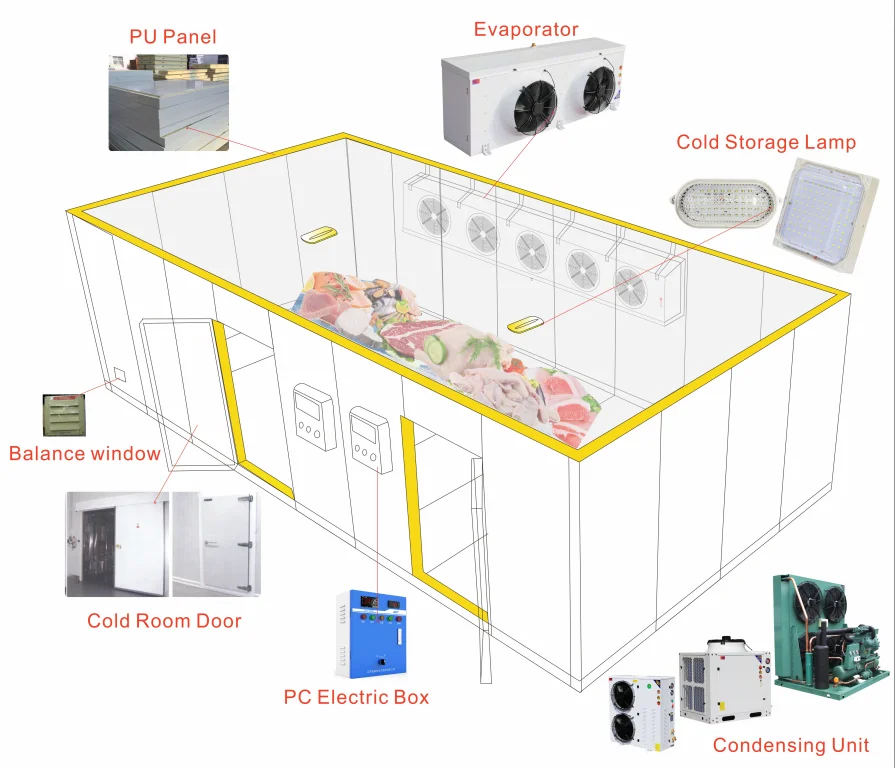
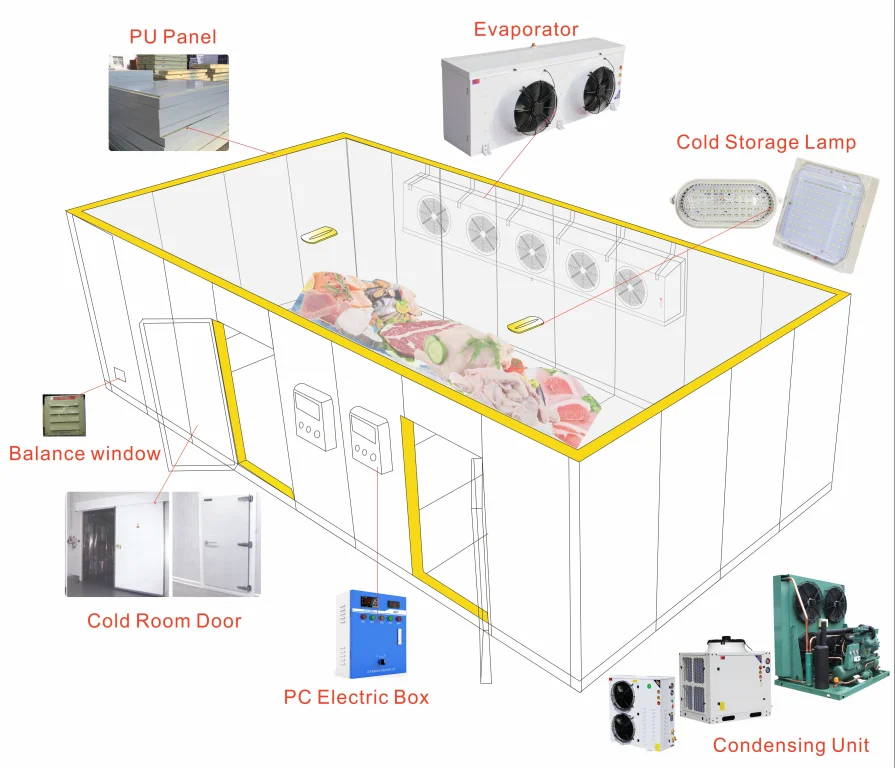
Finally, the third prompt demands local specificity beyond conventional guidebook recommendations. This means plumbing beneath surface-tourism to unearth hidden narratives—mysteries encoded in neighborhoods, culinary ephemera peculiar to a single street food stall, or the architectural idiosyncrasies of a nondescript walk-in cold room resonant with generational toil and tradition.
 This layering transcends the touristic sheen. It honors the quotidian grime and glory alike. Human-made itineraries woven with these textures tell stories beyond postcards and panoramic vistas. They invite travelers to dwell in the lived experience of a place—complex, nuanced, and unapologetically flawed. It’s in plumbing these depths that a trip finds meaning, becoming more than movement, but a mosaic of lives, tastes, sounds, and histories.
Why We Are Magnetically Drawn to Human-Made Journeys
The hunger for itineraries that feel human-crafted is symptomatic of a more profound cultural impulse. In an increasingly automated age, where algorithms curate our music, news, even social interactions, travel remains one of the last frontiers for personal authorship and existential reckoning. Travelers crave something inherently precarious and irreplaceable — moments anyone might miss, encounters no data set can predict, and impressions only an attending human heart can register.
The human-made itinerary is, therefore, an act of rebellion against the dilution of experience. It signals a refusal to be sanitized into consumption pipelines, insisting instead on irreverence, mystery, and unpredictability. This layered approach provides an antidote to alienation and alien formats, rekindling the joy derived from discovery and authentic connection. It reminds us that travel is ultimately less about the destination and more about the dance of imperfection that makes a trip sing.
Conclusion: Architecting Journeys with a Human Pulse
The 3-Prompt Method is not a rigid blueprint but a philosophy — a framework that insists on humanity’s ineffable signatures embedded within travel planning. Contextual immersion prioritizes personal resonance; ambiguity invites liberation from aseptic structure; local textures insist on depth and rootedness. Together, these prompts compose an itinerary that breathes, hesitates, and surprises—an itinerary with soul. In a world bristling with data and automation, this method offers a way to reclaim the art of journey-making, ensuring that every trip is no less than an odyssey created not by machines, but by the restless, curious human spirit.