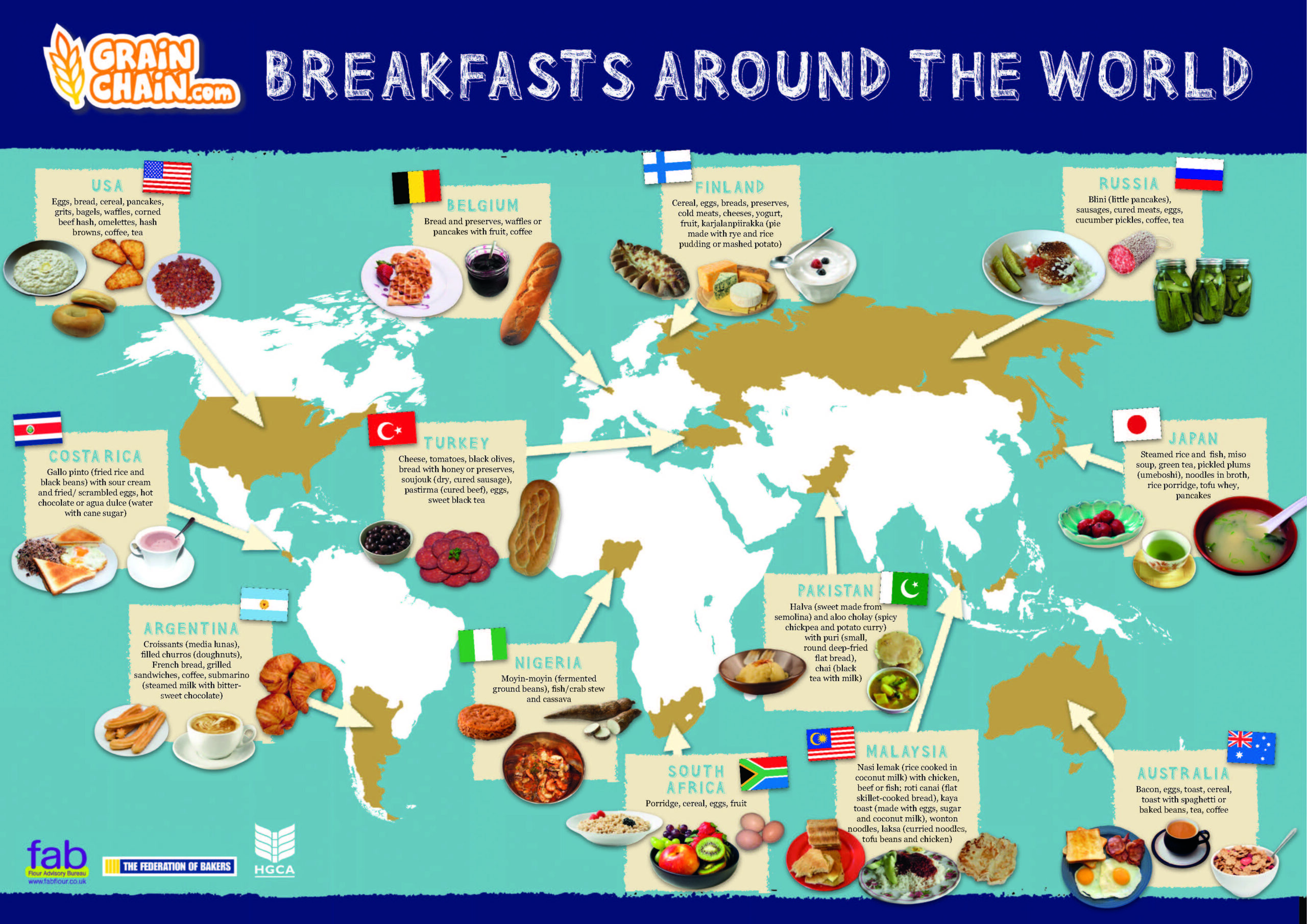
Morning meals reveal as much about a culture’s history, climate, and social fabric as any festival or monument. While the act of breaking fast is universal, the rituals surrounding breakfast differ dramatically—from meticulous portioning in East Asia to communal feasting in the Mediterranean. Observers often note the stark contrast between a quick, solitary coffee in a bustling city and a leisurely, multi‑course spread shared with family. These differences hint at deeper values: the prioritization of efficiency versus community, the influence of local agriculture, and the symbolic role of food as a marker of identity. Below is a ranked list of distinctive breakfast rituals from around the globe, each illustrating how everyday choices reflect broader cultural narratives.
1. Japan – Precise Portioning and Seasonal Simplicity
Japanese breakfasts typically consist of steamed rice, miso soup, grilled fish, pickled vegetables, and a small omelette called tamago. The meal is carefully portioned, with each component placed in its own lacquered bowl and arranged to highlight seasonal colors. This precision reflects the Japanese aesthetic of wabi‑sabi, valuing balance and the fleeting nature of each day. The reliance on locally sourced rice and fish also underscores a deep connection to the land and sea, emphasizing sustainability and respect for seasonal cycles.
2. Turkey – Communal Bread and Tea
In Turkey, breakfast—known as kahvaltı—is an extended, shared experience. A spread of fresh bread, assorted cheeses, olives, tomatoes, cucumbers, honey, and boiled eggs is accompanied by strong black tea served in small glasses. The ritual encourages conversation and hospitality, reflecting the Turkish emphasis on family cohesion and the importance of generosity. The inclusion of locally produced cheese and olives also showcases regional agricultural diversity.
3. Mexico – Hearty Huevos Rancheros
Mexican mornings often start with huevos rancheros: fried eggs atop corn tortillas, smothered in salsa, and served with beans, avocado, and chili. The dish is a fusion of indigenous corn-based staples and Spanish colonial influences. Its bold flavors and robust protein content mirror Mexico’s vibrant culinary heritage and the practical need for energy in a country where many mornings begin early on the fields or in bustling markets.
4. Sweden – The Fika Pause
Swedish “fika” extends beyond coffee; it is a daily pause that often includes a light breakfast of rye bread topped with butter, cheese, or jam, and a cinnamon bun. The ritual of stepping away from work to savor a beverage and a sweet treat highlights Sweden’s cultural emphasis on work‑life balance and communal well‑being. The ubiquitous rye reflects the country’s agrarian past and the value placed on whole‑grain nutrition.
5. Ethiopia – Injera and Wat
Ethiopian breakfast commonly features injera (a sourdough flatbread) served with various stews known as wat, such as lentil or chicken. The communal eating style—using injera as both plate and utensil—reinforces social bonds and reflects the collectivist ethos of Ethiopian society. The sour flavor of injera, arising from natural fermentation, also underscores the country’s long‑standing tradition of preserving food through microbial processes.
6. India (South) – Idli and Sambar
In the southern states of India, breakfast often includes steamed rice cakes called idli, accompanied by a lentil‑based vegetable stew (sambar) and coconut chutney. The light, steamed nature of idli caters to the region’s hot climate, while the protein‑rich sambar provides essential nutrients. This combination illustrates the Indian principle of balancing taste (sweet, sour, salty, bitter, pungent) in a single meal, as well as reliance on locally milled rice and lentils.
7. Brazil – Tapioca Crepes and Fruit
Brazilian mornings can feature tapioca crepes filled with cheese, ham, or coconut, alongside fresh tropical fruit such as papaya or mango. Tapioca, derived from cassava, reflects the indigenous roots of Brazilian cuisine, while the fruit highlights the country’s abundant biodiversity. The flexibility of toppings showcases Brazil’s cultural blend of European, African, and native influences, and the lightness of the meal aligns with the country’s warm climate.
8. France – Croissant and Café au Lait
In France, a classic breakfast consists of a flaky croissant paired with a café au lait. The buttery pastry, a product of meticulous lamination techniques, celebrates French culinary craftsmanship. The café au lait, brewed with equal parts coffee and steamed milk, reflects France’s coffee culture that values both flavor and social interaction. This simple yet refined combination underscores the French appreciation for artistry in everyday routines.
9. Kenya – Ugali and Milk Tea
Kenyan breakfasts often include ugali—a dense maize flour porridge—served with a side of boiled beans, vegetables, or fried fish, accompanied by spiced milk tea (chai). Ugali’s sturdy texture provides sustained energy for a day of manual labor, while chai offers warmth and stimulation. The ritual of sharing a communal bowl mirrors Kenya’s communal values and the reliance on staple crops like maize.
10. South Korea – Soju‑Free Breakfast Set
South Korean breakfast may consist of rice, fermented soybean paste soup (doenjang‑guk), grilled fish, and various banchan (side dishes). The inclusion of numerous small side dishes reflects the Korean principle of “bap,” where variety on the table signifies abundance and generosity. The fermented elements, such as doenjang, also point to Korea’s historical reliance on fermentation for preservation and flavor development.
11. United States (Southern) – Biscuits and Gravy
In the American South, a typical morning plate features flaky biscuits smothered in creamy sausage gravy, often accompanied by scrambled eggs. This hearty meal emerged from agricultural practices that prioritized pork production and wheat cultivation. The comfort‑food nature of biscuits and gravy also mirrors the Southern hospitality ethos, where generous portions convey warmth and welcome.
12. Morocco – Msemen with Honey and Mint Tea
Moroccan breakfast frequently includes msemen, a layered flatbread cooked on a griddle, drizzled with honey or butter, and paired with a glass of freshly brewed mint tea. The sweet, flaky texture of msemen reflects the North African tradition of incorporating flour and butter into daily fare, while mint tea symbolizes hospitality and the country’s long‑standing tea culture. Together, they showcase Morocco’s blend of Arab, Berber, and Mediterranean influences.