Mexico’s Yucatán Peninsula has earned the nickname “the cave diving capital of the world” because its extensive network of underwater cenotes provides unparalleled opportunities for both seasoned and novice divers. While many observers assume the primary appeal lies in the thrill of exploring submerged chambers, the real fascination is rooted in a blend of geology, history, and the unique ecosystems hidden beneath the surface. Below are the key factors that make this region a magnet for cave diving enthusiasts worldwide.
1. Unmatched Cenote Density
The Yucatán core hosts over 6,000 cenotes, with more than 150 suitable for scuba diving. This concentration is unrivaled globally, allowing divers to experience a variety of environments—from crystal-clear open sinkholes to labyrinthine tunnel systems—all within a short travel radius.
2. Geological History Visible in Real Time
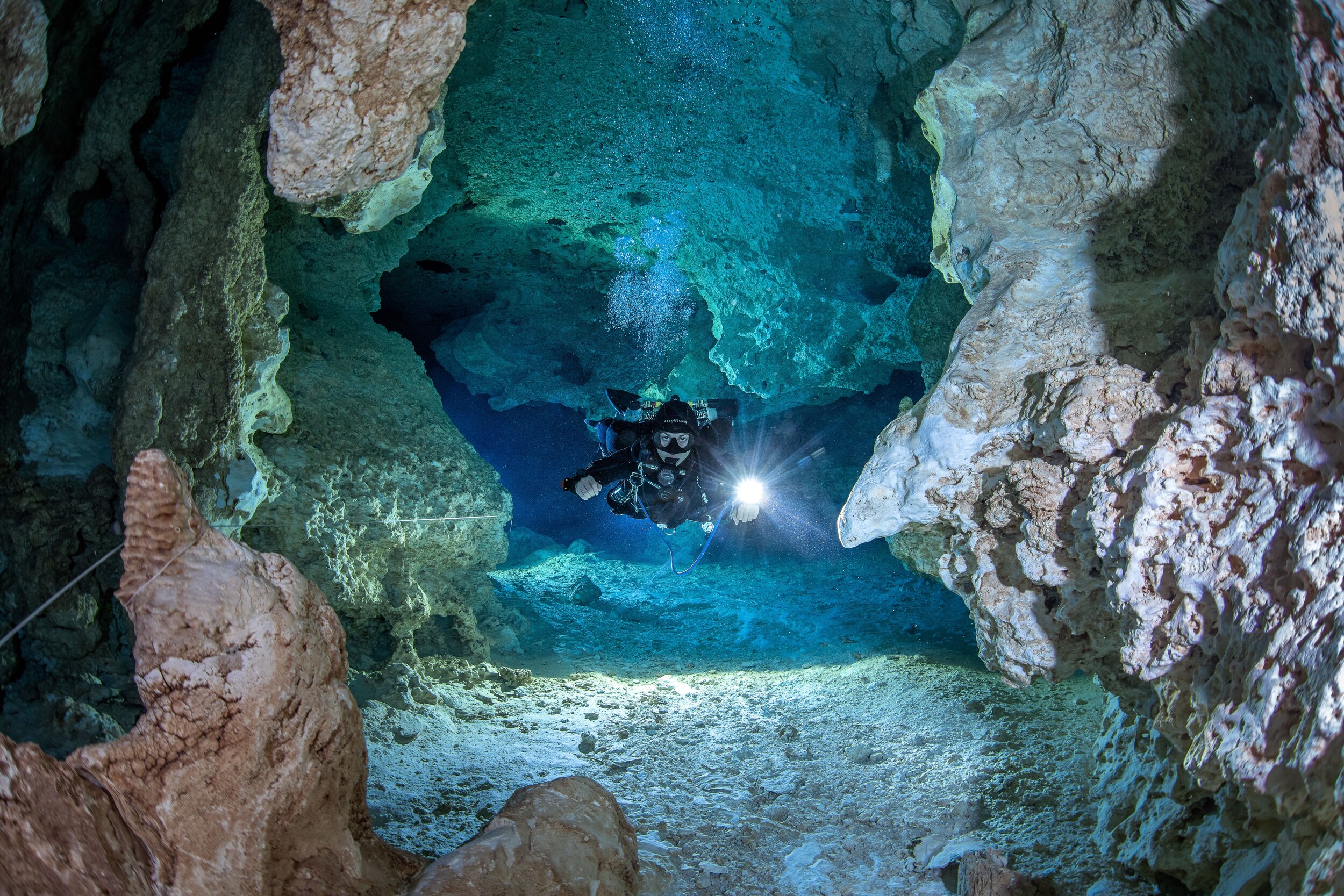
Cenotes are natural windows into the limestone platform that formed the peninsula over millions of years. Divers can witness karst processes, such as stalactite and stalagmite formations, that have been sculpted by water erosion, offering a tangible lesson in geology that few other activities can provide.
3. Consistently Warm Water Temperatures
Year‑round water temperatures hover between 78°F and 82°F (25‑28°C), eliminating the need for bulky thermal protection. This comfort factor encourages longer dive sessions and attracts divers from colder climates who seek a mild underwater environment.
4. Clear Visibility and Light Penetration
Many cenotes boast visibility exceeding 150 feet (45 meters) due to low sediment levels and the filtering effect of the surrounding limestone. The natural light that pierces these openings creates ethereal illumination, enhancing both safety and aesthetic appeal.
5. Rich Biodiversity in Isolated Habitats
Underground ecosystems host species found nowhere else, such as blind cave fish, unique crustaceans, and specialized bacteria. Divers often encounter these organisms, providing a glimpse into evolutionary adaptation and reinforcing the scientific value of each dive.
6. Historical Significance of Sacred Sites
Many cenotes were sacred to the Maya, serving as portals to the underworld. Archaeological artifacts, including pottery and offerings, have been discovered within submerged chambers, linking modern diving experiences to ancient cultural narratives.
7. Diverse Difficulty Levels
The region offers routes ranging from shallow, non‑technical “introductory” cenotes to deep, overhead‑environment dives that require advanced training. This gradient allows divers to progressively build skills without changing geographic location.
8. Established Training Infrastructure
Internationally recognized dive schools, such as the Yucatán Cave Diving School and Cenote Dive Academy, operate out of major tourist hubs like Tulum and Playa del Carmen. Their presence ensures that proper equipment, certification, and safety protocols are readily accessible.
9. Community‑Driven Conservation Efforts
Local NGOs, including the Cenote Preservation Society, collaborate with divers to monitor water quality and protect fragile habitats. Participation in these initiatives gives divers a sense of stewardship, deepening the personal connection to the environment.
10. The Allure of the Unknown
Beyond measurable attributes, there is an intrinsic human fascination with exploring concealed realms. The darkness, the sense of isolation, and the possibility of discovering untouched chambers tap into a primal curiosity that resonates with many divers.
11. Photographic Opportunities Unlike Any Other
Natural shafts of sunlight create dramatic chiaroscuro effects, while the clarity of the water captures fine details of rock formations and fauna. These conditions attract underwater photographers seeking images that stand out in portfolios and publications.
12. Economic Impact and Accessibility
The tourism infrastructure surrounding cenote diving is robust, with a range of accommodations from boutique hotels to budget hostels. Competitive pricing for dive packages makes the experience financially feasible for a broader audience, further cementing the region’s status as a global diving hub.