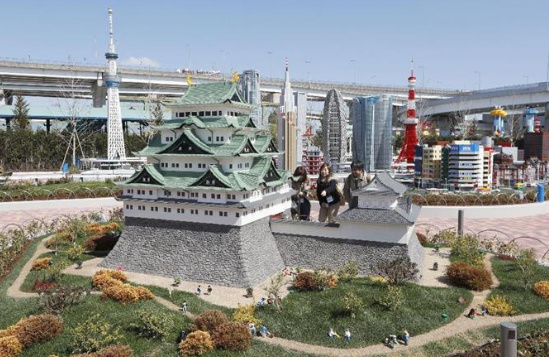
Legoland Japan’s Miniland offers a compact yet immersive glimpse into Japan’s most iconic landmarks, all recreated from millions of LEGO bricks. Visitors can explore detailed models, enjoy interactive displays, and discover educational elements that blend creativity with cultural appreciation. The following guide outlines the diverse experiences available within Miniland, helping guests plan their visit and maximize the enjoyment of this uniquely brick-built world.
1. Tokyo Skyline Model
At the heart of Miniland lies an elaborate replica of Tokyo’s skyline, featuring the Tokyo Tower, Skytree, and bustling Shibuya Crossing. Constructed from over 800,000 LEGO pieces, the model captures the city’s architectural diversity and neon vibrancy. Interactive light displays illuminate the towers at dusk, and visitors can activate moving traffic lights at the crossing, offering a dynamic representation of everyday life in Japan’s capital.
2. Historic Kyoto District
Miniland’s Kyoto section showcases traditional Japanese architecture, including a detailed Kinkaku‑ji (Golden Pavilion) and a serene Zen garden. The model employs a combination of translucent bricks to mimic the reflective gold leaf and carefully placed foliage pieces to recreate the garden’s subtle gradients. Informational plaques provide historical context, allowing tourists to learn about Kyoto’s cultural heritage while admiring the craftsmanship.
3. Mount Fuji Panorama
A sweeping view of Mount Fuji dominates the western horizon of Miniland. This towering structure stands at nearly six meters tall and features a realistic snow‑capped peak made from white and light gray bricks. Surrounding the mountain are miniature lakes, forests, and an intricate railway that circles the base, offering a miniature transportation experience that mirrors real Japanese train routes.
4. Osaka Castle Recreation
The Osaka Castle model is a meticulous reconstruction of the historic fortress, complete with its iconic white walls and golden rooftop. Visitors can see the inner mechanics of the drawbridge, which opens and closes on a timed schedule. Small LEGO figures populate the castle grounds, depicting samurai and merchants, thereby illustrating the social dynamics of the Edo period.
5. Shinkansen (Bullet Train) Exhibit
Miniland includes a fully functional LEGO Shinkansen track that runs through multiple city scenes. The bullet train, built from precision‑cut bricks, moves at a realistic speed, allowing visitors to observe the engineering marvel of Japan’s high‑speed rail system. Educational panels explain the train’s aerodynamic design and its impact on modern transportation.
6. Japanese Garden & Tea House
An exquisitely detailed Japanese garden features stone lanterns, koi ponds, and a traditional tea house. The garden’s layout follows principles of balance and harmony, with pathways made from smooth, sand‑colored bricks. Inside the tea house, LEGO figurines perform a tea ceremony, offering insights into the ritual’s cultural significance and the meticulous attention to detail required in LEGO construction.
7. Anime & Pop Culture Corner
This vibrant section celebrates Japan’s global influence in anime and pop culture. Miniature LEGO representations of iconic characters and scenes from popular series such as “Naruto,” “One Piece,” and “My Neighbor Totoro” are displayed alongside small stages where visitors can watch animated clips. The area includes interactive elements that let guests snap photo poses with their favorite characters.
8. Sushi Restaurant Model
A bustling sushi restaurant is recreated with meticulous detail, featuring a flowing conveyor belt and a kitchen staffed by LEGO chefs. The model showcases a variety of sushi types, each crafted from colorful bricks to resemble real dishes. Interactive screens provide information on sushi preparation, cultural etiquette, and the importance of fresh ingredients in Japanese cuisine.
9. Seasonal Lantern Parade
During specific times of the year, Miniland hosts a lantern parade featuring hundreds of illuminated LEGO lanterns. The display celebrates festivals such as Obon and the Cherry Blossom season, with lanterns designed to reflect traditional motifs. Visitors can observe the parade’s choreography and learn about the symbolism behind each lantern’s design through accompanying signage.
10. Technology & Innovation Pavilion
This pavilion highlights Japan’s contributions to robotics, gaming, and automotive technology. LEGO models of robots, gaming consoles, and hybrid cars are displayed alongside touch‑screen stations that explain the engineering principles behind each invention. Demonstrations include a LEGO‑built robot arm that can pick up and sort bricks, illustrating the practical application of STEM concepts.
11. Interactive Play Zones
Scattered throughout Miniland are designated play zones where children can build their own mini‑structures using supplied LEGO bricks. These areas encourage hands‑on creativity, allowing visitors to construct replicas of the surrounding models or invent new designs. Staff members provide guidance and occasional challenges, fostering an engaging learning environment for all ages.
12. Educational Workshops & Tours
Miniland offers scheduled workshops that delve into topics such as architectural modeling, cultural storytelling, and LEGO engineering techniques. Guided tours, led by knowledgeable staff, provide in‑depth commentary on the construction process and the historical significance of each exhibit. Participants receive printed materials that summarize key points, ensuring lasting educational value beyond the visit.