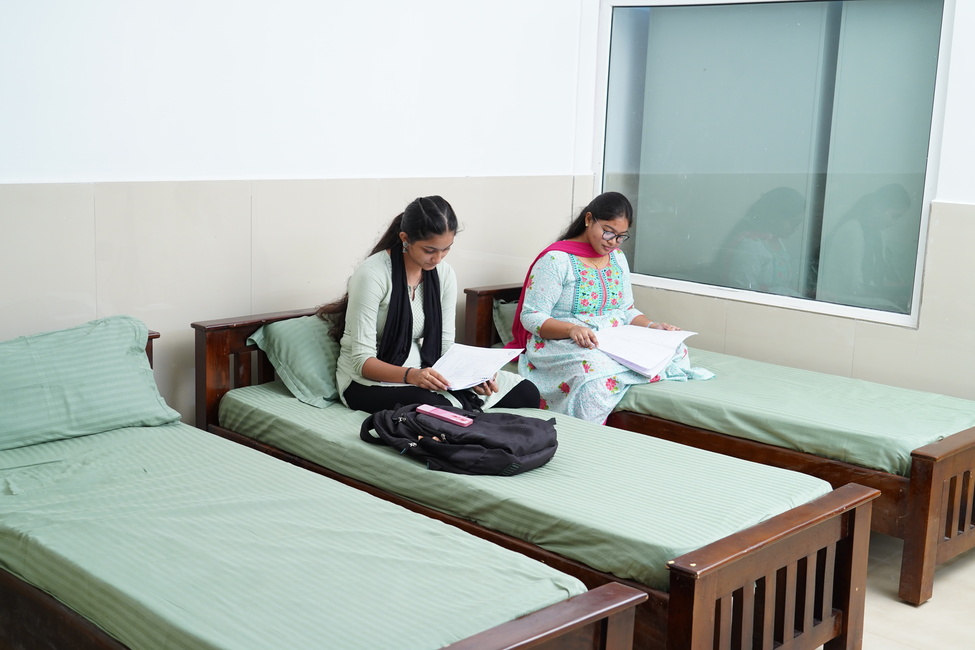
Travelers often assume that sharing a dormitory is the default experience in hostels, but there are numerous practical and strategic reasons why guests sometimes opt for separate rooms. Understanding these motives not only clarifies hostel policies but also reshapes the way we view communal lodging. Below are the most common factors that lead travelers to sleep apart, each shedding light on a different aspect of the hostel ecosystem.
1. Gender‑Specific Safety Concerns
Many hostels designate female‑only or mixed‑gender floors to address safety and comfort. Female travelers may choose separate rooms to avoid mixed sleeping arrangements, especially in regions where cultural norms place a higher value on gender segregation. This practice reduces the risk of unwanted attention and creates a secure environment for solo women travelers.
2. Personal Privacy Needs
Even within a communal setting, personal privacy remains a priority for many guests. Separate rooms provide a quiet space for personal grooming, phone calls, or simply a moment of solitude after a long day of sightseeing. The ability to lock the door and control the lighting can be crucial for those who value a controlled personal environment.
3. Noise Management
Hostel dorms can be noisy, with late‑night conversations, music, and occasional disruptions. Travelers who require a silent environment—such as early‑rising hikers, digital nomads, or light sleepers—often reserve private rooms to safeguard their rest and maintain productivity.
4. Health and Hygiene Considerations
Illnesses spread quickly in shared spaces. Guests recovering from a cold, dealing with allergies, or adhering to strict hygiene routines may request separate rooms to limit exposure and keep personal health regimens intact.
5. Cultural and Religious Practices
Some cultures and religions prescribe specific sleeping arrangements, such as separate spaces for men and women or modesty requirements that prohibit shared sleeping surfaces. Hostels that respect these traditions often provide separate rooms to accommodate diverse traveler backgrounds.
6. Group Dynamics and Compatibility
Travel groups often consist of individuals with differing schedules, social preferences, or energy levels. While a group may share a common booking, members might split into separate rooms to avoid clashing routines—such as early risers versus night owls—or to accommodate varying budget constraints within the same party.
7. Budget Allocation Strategies
Hostels frequently offer tiered pricing: a lower‑cost dorm bed and a higher‑priced private room. Travelers traveling as couples or friends sometimes split costs by booking one private room and a dorm bed, optimizing expenditure while still enjoying some private space.
8. Curfew and Security Policies
Certain hostels enforce curfew rules, requiring guests to be inside the building by a specific hour. For travelers arriving late or leaving early, a separate room with a personal lock can provide a secure base that aligns with the hostel’s security protocols, particularly in high‑traffic urban locations.
9. Language Barriers and Communication
Non‑native speakers may feel uncomfortable sharing a dorm with strangers who speak a different language. Securing a separate room eliminates the risk of miscommunication and fosters a sense of safety when navigating unfamiliar environments.
10. Specialized Accommodation Needs
Backpackers with disabilities, chronic pain, or other special requirements often need adaptable sleeping arrangements—adjustable beds, additional space for mobility aids, or specific lighting. Separate rooms offer the flexibility that standard dorms cannot provide.
11. Personal Routine Maintenance
Maintaining a daily routine—morning meditation, yoga, journaling, or even a brief workout—can be challenging in a bustling dorm. A private room equips travelers with a dedicated space to preserve these habits without disturbing or being disturbed by fellow guests.
12. Security of Valuables
While most hostels supply lockers, some travelers bring high‑value items such as cameras, laptops, or travel gear that require extra protection. A private room with an individual lock provides an added layer of security beyond shared lockers, giving peace of mind during extended stays.
13. Social Preference for Selective Interaction
Not every traveler seeks constant social interaction. Some prefer selective engagement—meeting new people during daytime activities but retreating to solitude at night. Separate rooms enable this balance, allowing guests to control the extent of their social exposure.
14. Managing Travel Fatigue
Long‑haul journeys can leave travelers exhausted, and the prospect of sharing a space with strangers may feel overwhelming. By choosing separate accommodation, weary travelers can recuperate more efficiently, reducing the likelihood of travel‑related burnout.
15. Seasonal Climate Considerations
In hot or cold climates, individuals often adapt their sleeping environment—using fans, heaters, or extra blankets. Separate rooms allow guests to tailor temperature controls to their personal comfort without imposing on the entire dorm’s climate settings.
16. Host‑Provided Incentives
Some hostels offer promotional upgrades, such as a complimentary private room for a night or a discounted rate for early bookings. Travelers taking advantage of these incentives may split their stay between dorms and private rooms, experiencing both communal and solitary aspects of hostel life.
17. Avoiding Conflict Over Shared Amenities
Shared amenities—like bathrooms, showers, or kitchens—can become points of contention when usage patterns clash. By securing a separate room, guests can schedule their use of these facilities with greater flexibility, minimizing conflicts and ensuring smoother daily operations.
18. Compatibility with Travel Companions
Couples traveling together often desire a private space to maintain intimacy, while still benefiting from the social environment of a hostel. Separate rooms cater to this dual need, allowing couples to stay together while still mingling with fellow travelers during daytime activities.
19. Regulatory Requirements
In certain jurisdictions, local regulations mandate that hostels offer separate accommodations for specific traveler categories, such as families with children or individuals over a certain age. Compliance with these laws forces hostels to provide private rooms as a standard offering.
20. Personal Preference for a Fresh Start
After consecutive nights in a dorm, some travelers simply crave a new experience. Switching to a private room can act as a mental reset, offering a change of scenery that revitalizes the travel mindset and encourages continued exploration.